If a supplied lot fails agreed specifications, we’ll replace it at no cost or refund its purchase price in full.
Quality test failed? Free replacement or full refund.
Off-spec? Free replacement or full refund.
PCAC will review 7 peptides for the 503A bulks list, BPC-157, KPV, TB-500, MOTS-c, Emideltide, Semax, Epithalon. Read our briefing →
PCAC will review 7 peptides for the 503A bulks list. Read →
FDA PCAC reviews 7 peptides in July. Read →
Body Protection Compound 15-mer
Supply and ordering
Compare BPC-157 with TB-500, Wolverine Blend, and GLOW Blend when planning a product assortment. Sales can discuss fill sizes, packaging, and OEM blend requirements.
Overview
BPC-157 (Body Protection Compound) is a 15-amino-acid peptide (GEPPPGKPADDAGLV) derived from a protective protein originally isolated from human gastric juice. The sequence is unusually proline-rich, which gives the molecule remarkable resistance to gastric and serum protease degradation, a property that has driven its broad use across tissue-repair research models including tendon-ligament healing, gastrointestinal mucosal protection, vascular endothelial repair, and post-injury bone metabolism studies. BPC-157 is on the July 2026 FDA PCAC agenda for 503A bulks-list consideration; see our 503A vs 503B compounding pathway guide and BPC-157 sourcing guide for the regulatory and procurement context. PeptideXpo supplies BPC-157 acetate as a lyophilized powder to a ≥99.0% HPLC purity specification. Because BPC-157's relatively short sequence is reliable in solid-phase synthesis but the closely-eluting truncation by-products require careful purification, every released lot comes with its batch COA covering peak-integration HPLC plus ESI mass spec confirming the molecular weight within 0.5 Da of the theoretical 1419.55 g/mol. Sequence verification by LC-MS/MS (full b- and y-ion ladder) is an available sequence-level add-on for any new BPC-157 supplier, mass alone confirms identity, but tandem MS directly demonstrates the synthesized sequence matches the labelled sequence. BPC-157 is also a standard component of the Wolverine Blend (BPC-157 + TB-500) and the GLOW Blend custom formulations. For the side-by-side mechanism comparison with TB-500, see our BPC-157 vs TB-500 article.
Who buys this, and why
Repair peptides, BPC-157, TB-500, and related sequences, typically ship to research labs studying tissue-repair, gastrointestinal, or tendon-ligament models. Ask sales for the COA matched to the offered or supplied lot. If the buyer's written qualification procedure requires tandem-MS sequence evidence, include it in the agreed scope before quotation rather than treating it as an automatic first-batch retest.
Primary buyer fit: 503A / 503B compounding pharmacies and academic and contract research laboratories.
Specifications
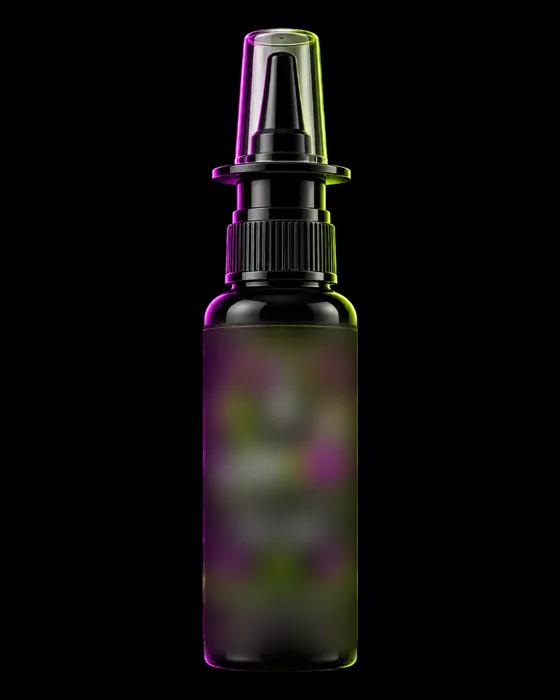
Also available as a nasal spray (US stock)

Besides lyophilized vials, BPC-157 is stocked in the US as a ready-to-use nasal spray.

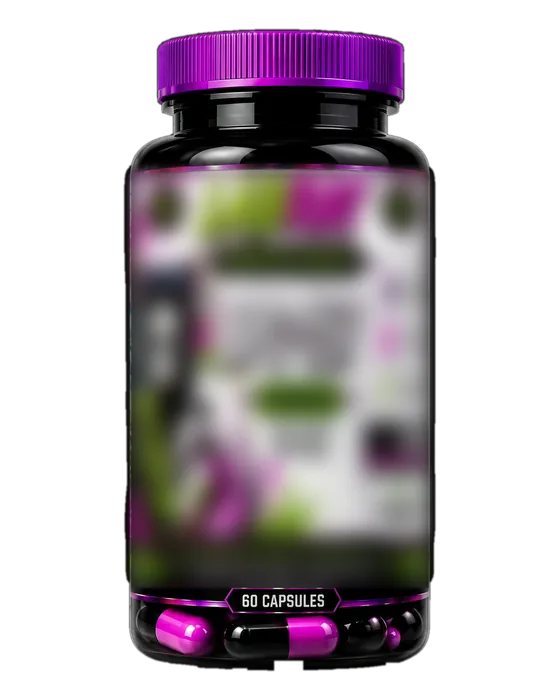
Capsules · US stock
BPC-157 is also supplied as capsules from our US stock.
Documentation available on request
Each picture is a low-resolution preview of a report's first page, with batch and report numbers covered. For the full, clear report, ask our sales team, naming the product and strength.
Batch COABPC-157 2 mg
HPLC purity · MS identity
Batch COA
Full, clear copy from sales
Batch COABPC-157 5 mg
HPLC purity · MS identity
Batch COA
Full, clear copy from sales
Batch COABPC-157 10 mg
HPLC purity · MS identity
Batch COA
Full, clear copy from sales
Third-party reportBPC-157 5 mg
HPLC purity · MS identity
Third-party laboratory, Tianjin, China
Full, clear copy from sales
Third-party reportBPC-157 10 mg
HPLC purity · MS identity
Third-party laboratory, Tianjin, China
Full, clear copy from sales
Independent test fails? Full refund. How it works
Regulatory note
Currently under FDA PCAC review (July 2026) for inclusion on the 503A bulks list. Supplied for research and commercial use in compliance with the buyer's local regulations.
Selected literature
Frequently asked questions
BPC-157 is a 15-amino-acid peptide with sequence GEPPPGKPADDAGLV, note the four prolines in the first eight residues (PPPGKP). Proline kinks the peptide backbone in a way that resists protease access, which is why BPC-157 maintains structural integrity in gastric and serum environments where most short peptides degrade quickly. This stability is the molecular basis for the oral-route research interest in BPC-157, distinguishing it from peptides like TB-500 that are usable only via injectable routes.
BPC-157 is not an approved finished drug in any major jurisdiction. As of the current cycle, it is under FDA Pharmacy Compounding Advisory Committee (PCAC) review for inclusion on the 503A bulks list, with the proposed indication of ulcerative colitis (July 2026 meeting agenda). If the FDA accepts PCAC's recommendation, compounding pharmacies could use BPC-157 for patient-specific compounding under 503A. Until then, it is sold as a bulk active for research and for commercial use in jurisdictions where local regulations permit.
BPC-157 acetate is the more commonly produced salt form and is what PeptideXpo ships by default. Free base BPC-157 is the unsalted molecule and is occasionally requested for formulators who want to control the final counter-ion in their downstream product. The HPLC peak retention time differs slightly between the two forms, acetate elutes earlier under typical reverse-phase conditions, but the biological activity per mass of peptide is equivalent. Specify free base vs. acetate at quote stage if it matters for your downstream work.
Yes, the BPC-157 + TB-500 combination is one of the most-requested blends in our catalog, sold as the Wolverine Blend SKU. Co-lyophilization in a single vial is preferred over the buyer mixing the two in solution because it preserves potency better; the batch COA reports HPLC purity and MS identity for both components, and the measured ratio in the released vial is available on request and listed on the COA when tested. Standard Wolverine Blend ratios are 5+5 mg in a 10 mg vial; custom ratios (10+5, 10+10, 5+10) are available via OEM service. GHK-Cu can also be added to the blend (the GLOW Blend SKU) for combined repair-plus-cosmetic-tissue research.
Yes. BPC-157 is also stocked as a ready-to-use nasal spray (2 mg, 5 mg, 10 mg) in 10 mL or 20 mL bottles, from 10 bottles of each. These orders ship from our US stock; ask our sales team for details and a quote.
Send any vial from your order to an independent laboratory of your choice. If the report shows the product does not meet the specification on its COA — purity below the stated minimum, or an identity that does not match — share the report with our sales team and we refund that product in full.
Related peptides