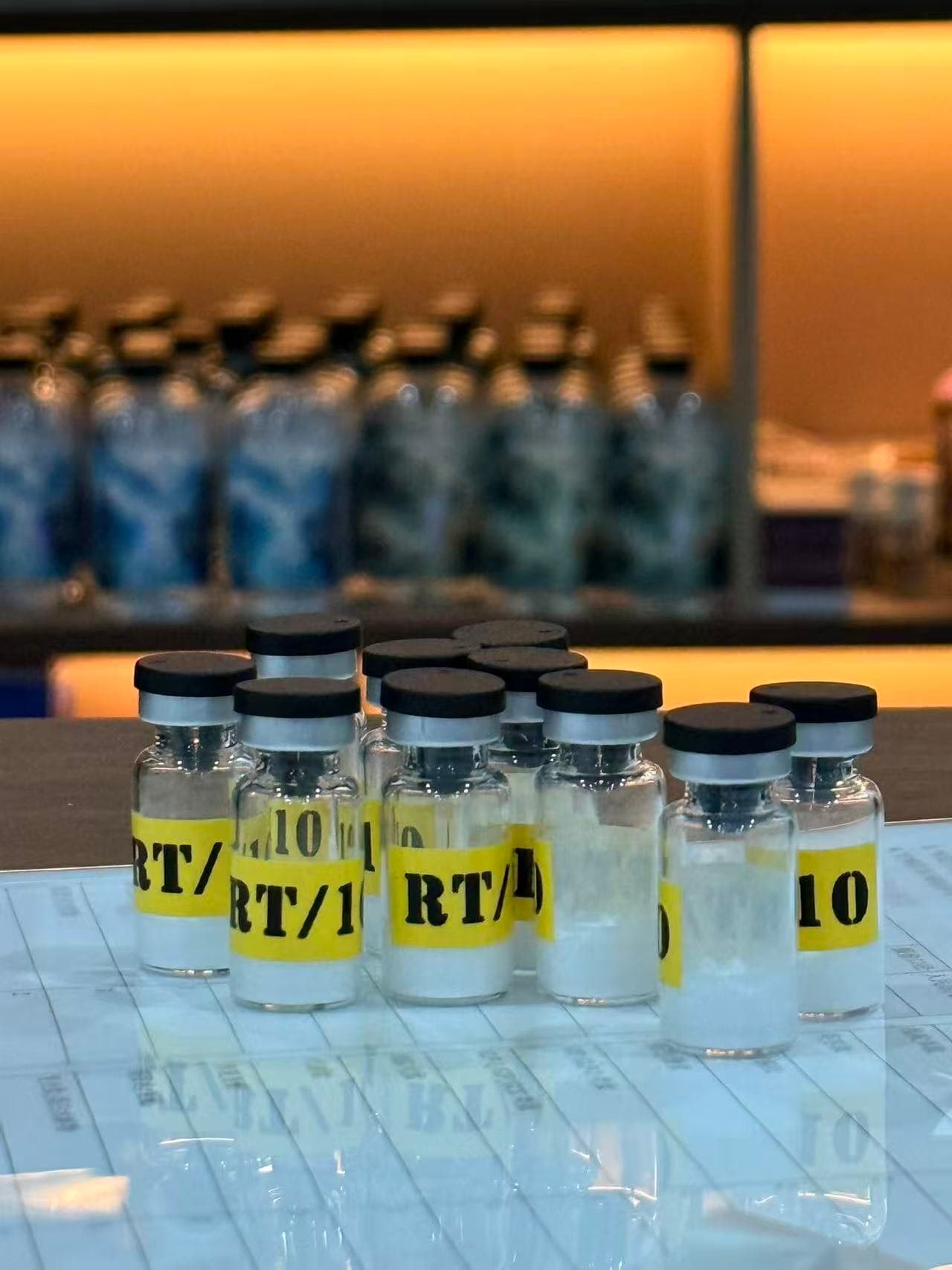
A peptide supplier with the documentation depth 503A and 503B actually demand.
Compounding pharmacy procurement runs on documentation, not catalog browsing. PeptideXpo's release packet, batch-specific COA, HPLC chromatogram, ESI mass spec, water content, counter-ion, plus LAL endotoxin and USP <61>/<62> microbial limits on request, is built to match the documentation standards 503A state boards and 503B FDA registration actually look for.
Why compounding pharmacies choose PeptideXpo
Documentation support for state-board audits and FDA inspections.
Ask sales for the Certificate of Analysis matched to the offered or supplied batch. The COA identifies the lot and records the tests actually completed, their specifications, and the reported results. Any expanded panel must be confirmed for feasibility, timing, and cost before quotation.
Acetate is the default counter-ion across the catalog, not TFA. Residual TFA suppresses observed potency in cell-based assays and is not pharmaceutically acceptable in most finished formulations, so we route every standard-spec peptide through ion-exchange to deliver acetate-salt material. TFA-salt is available on explicit request for the narrow research workflows that need it.
Our regulatory team responds to destination-market questions in writing, typically within 24 business hours. For US-bound material, that means awareness of the current 503A and 503B regulatory state, the July 2026 PCAC review of seven peptides under consideration for the 503A bulks list, and the documentation expectations under each pathway. We won't dispense legal advice, but we can describe how our documentation depth aligns with the operational standards.
Every batch has its own COA with HPLC purity and MS identity, and DDP shipping is available to most major markets, so your in-house QA has the lot record for receipt acceptance.
Matching batch COA available from sales
Sequence + MS verification for sensitive APIs
Tamper-evident, customs-compliant packaging
FDA 503A documentation alignment
Regions served: USA · Canada · EU
Curated catalog
Compounding-pharmacy workhorse SKUs
The peptides most commonly procured by 503A and 503B compounding pharmacies in our buyer base.
What documentation depth should I expect at receipt for compounding-pharmacy use?
+
Every batch comes with its batch-specific COA, including the HPLC chromatogram with peak integration and ESI mass spec confirming molecular weight. Water content by Karl Fischer, counter-ion identification (acetate by default), bacterial endotoxin (LAL per USP <85>), USP <61>/<62> microbial limits, sequence verification by LC-MS/MS and stability data on the specific lot are available on request and listed on the COA when tested.
Do you support the 503B FDA-registered outsourcing pathway specifically?
+
Yes. 503B procurement requires deeper supplier-audit support beyond the standard COA, including manufacturing-facility audit history, raw-material supplier verification, change-control documentation, and stability data on the actual lot. We extend the documentation scope on request to match 503B expectations. Discuss the specific 503B requirements at quote stage so the analytical scope and audit-support package match your facility's quality system.
How does the July 2026 PCAC review affect my procurement planning?
+
PCAC will evaluate seven peptides for 503A bulks-list inclusion in July 2026: BPC-157, TB-500, KPV, MOTS-c, Emideltide, Semax, Epithalon. If FDA accepts PCAC's recommendation, 503A compounding pharmacies could legally use these peptides for patient-specific compounding under standard 503A documentation requirements. Regardless of the PCAC outcome, the documentation depth buyers demand has structurally shifted upward, suppliers without auditable analytical packets will not survive the next two procurement cycles. Our documentation is already aligned with the post-PCAC standards.
What state-board-level considerations apply to specific peptides?
+
State boards of pharmacy vary substantially in their enforcement of 503A compounding rules. Some states (Florida, Texas, Arizona) operate with more permissive frameworks; others (California, several Northeast states) apply stricter enforcement. The same compounded preparation that's clearly permissible in one state may face regulatory scrutiny in another. We don't provide state-specific legal advice, but our regulatory team can describe the documentation depth that supports your specific state-board interaction. Match your procurement to your state's current framework, not to a uniform federal expectation.
Can PeptideXpo support a recurring-order schedule with forecast-based inventory?
+
Yes. Established compounding-pharmacy buyers can negotiate recurring-order pricing against forecasted quarterly or annual volume, with PeptideXpo holding released-batch inventory against the forecast to compress effective lead time. The forecasting model works best when the buyer can commit to 4-8 weeks of forward visibility on order timing; in exchange, lead time on releases drops from the standard 7-21 days to next-available-shipment. Discuss the procurement schedule at quote stage to set up the inventory arrangement.
Related reading
Insights relevant to compounding pharmacies procurement.